
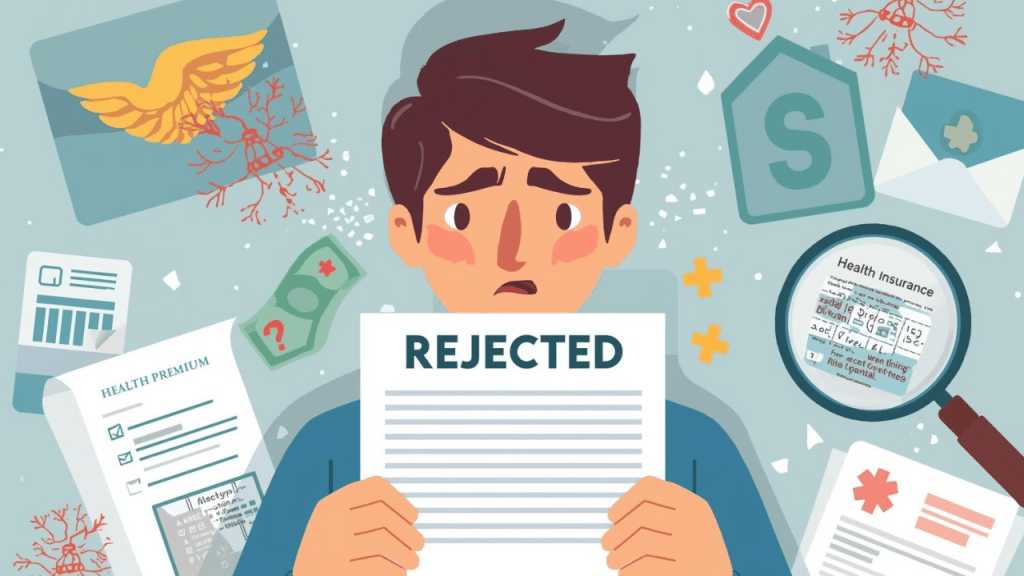
Health insurance is built on trust. You pay premiums every year expecting financial protection during medical emergencies. So when a claim gets rejected, the experience can feel confusing, frustrating, and deeply unfair.
Many policyholders assume that regular premium payment guarantees claim approval. But in reality, health insurance works on contractual terms, disclosures, and coverage conditions. Most claim disputes arise not from refusal to help — but from policy clauses, medical records, and eligibility rules.
Understanding why claims get rejected helps you avoid costly surprises and use your insurance effectively.
This article explains the real reasons behind health insurance claim disputes in India, based on current regulations and industry practices.
Why Premium Payment Alone Does Not Guarantee Claim Approval
A health insurance policy is a legal contract between the insurer and the policyholder. Claims are settled only when treatment falls within policy coverage and terms.
As per the Insurance Regulatory and Development Authority of India (IRDAI), insurers must evaluate every claim based on policy conditions and provide clear reasons if a claim is denied.
This means:
- Paying premiums keeps the policy active
- But coverage depends on eligibility rules
- Claims must satisfy policy terms and disclosures
Understanding this distinction prevents unrealistic expectations.
Does Maternity Waiting Period Carry Forward When You Switch Health Insurance in India?
1. Non-Disclosure of Pre-Existing Diseases
One of the most common reasons for claim rejection is failure to disclose medical history when buying the policy.
A pre-existing disease is any illness or condition diagnosed before purchasing insurance. Insurers rely on disclosure to assess risk and determine coverage.
If medical records later reveal an undisclosed condition, claims may be rejected.
Why disclosure matters
- Proposal forms are legal documents
- Insurers verify hospital records during claims
- Even unintentional omission can lead to disputes
Most policies cover pre-existing diseases only after a waiting period of continuous coverage.
2. Waiting Period Not Completed
Health insurance policies include waiting periods for certain illnesses and treatments.
Types of waiting periods
- Initial waiting period (usually 30 days for most illnesses except accidents)
- Pre-existing disease waiting period
- Specific disease waiting period (for surgeries or conditions)
Under current regulations, the waiting period for pre-existing diseases can be up to 36 months of continuous coverage.
If treatment happens during this period, the insurer may reject the claim even if premiums were paid regularly.
This is one of the most misunderstood aspects of health insurance.
3. Policy Exclusions and Coverage Limits
Every health insurance policy lists what is covered and what is not.
Common exclusions include:
- Cosmetic procedures
- Certain outpatient treatments
- Experimental treatments
- Non-covered therapies (depending on policy)
Some plans also impose limits such as:
- Room rent caps
- Treatment sub-limits
- Procedure-specific caps
If the treatment falls outside policy coverage, the claim may be partially paid or rejected.
4. Policy Lapse Due to Non-Renewal
Insurance protection exists only while the policy is active.
If premiums are not paid within the grace period, the policy may lapse. Claims made during this inactive period are not covered.
The grace period typically ranges from:
- 15 days for monthly payments
- 30 days for annual or periodic payments
Even short coverage gaps can affect claim eligibility.
5. Treatment at Non-Network Hospitals Without Approval
For cashless claims, treatment must usually occur at network hospitals.
If planned treatment is taken at a non-network hospital without prior approval, reimbursement may be denied or delayed.
Emergency cases are typically treated differently, but prior intimation is always recommended.
6. Documentation Errors or Missing Information
Claims require complete documentation, including:
- Medical reports
- Discharge summary
- Bills and prescriptions
- Identity and policy details
Incomplete or incorrect paperwork can delay or lead to claim rejection. Insurers may also request additional clarification during claim assessment.
7. Hospitalization Not Medically Necessary
Health insurance generally covers medically necessary hospitalization.
If the insurer determines that:
- Treatment could have been outpatient care, or
- Admission was not medically required,
the claim may be disputed.
This often happens in short-stay admissions or elective treatments.
8. Communication Gaps Between Policyholder and Insurer
Many disputes arise due to misunderstandings about policy terms.
Common gaps include:
- Not reading policy documents
- Not informing insurers before planned treatment
- Misunderstanding coverage limits
- Ignoring follow-up requests from insurers
Clear communication significantly reduces claim rejection risk.
What Regulations Say About Claim Settlement
The Insurance Regulatory and Development Authority of India has defined timelines and consumer protections.
Key protections include:
- Cashless authorization decisions within hours
- Reimbursement claims typically settled within 15 days
- Investigation period limited to 30 days
- Clear written explanation required for claim denial
Policyholders can also approach grievance cells or insurance ombudsman offices if disputes remain unresolved.
Why Claim Disputes Feel Personal
Medical emergencies are emotional situations. When treatment costs are high and a claim is denied, frustration is natural.
However, most disputes arise from:
- Contractual clauses
- Eligibility conditions
- Documentation requirements
- Disclosure rules
Understanding policy terms early helps avoid difficult surprises later.
How to Reduce the Risk of Claim Rejection
You can protect yourself by following simple practices.
Always disclose complete medical history
Never hide past illnesses or treatments.
Read policy terms carefully
Understand waiting periods, exclusions, and limits.
Maintain continuous coverage
Avoid renewal gaps.
Inform insurer before planned hospitalization
Get pre-authorization when possible.
Keep all medical records safely
Documentation supports faster claim processing.
The Bottom Line
Health insurance claim disputes rarely occur because premiums were paid or not paid. They arise from policy conditions, waiting periods, and disclosure requirements.
A health insurance policy is not just a payment plan — it is a structured agreement with defined rules.
Understanding those rules helps policyholders make informed decisions, avoid disputes, and ensure financial protection when medical emergencies occur.
The real protection of health insurance lies not just in buying a policy, but in understanding how it works.
FAQs on Health Insurance Claim Rejection
1. Can a health insurance claim be rejected even if premiums are paid regularly?
Yes. Paying premiums keeps your policy active, but claims are approved only if treatment meets policy terms, coverage conditions, and disclosure requirements.
2. What is the most common reason for health insurance claim rejection?
Non-disclosure of pre-existing diseases is one of the most common reasons. If medical history was not declared while purchasing the policy, the insurer may reject the claim.
3. What is a pre-existing disease in health insurance?
A pre-existing disease is any illness, injury, or medical condition diagnosed or treated before buying the health insurance policy.
4. What is the waiting period in health insurance?
A waiting period is the time after policy purchase during which certain conditions or treatments are not covered. Pre-existing diseases typically have a waiting period of up to 36 months under current regulations.
5. Can a claim be rejected due to incomplete documents?
Yes. Missing medical records, incorrect claim forms, or incomplete hospital bills can lead to delays or rejection of claims.
6. What happens if treatment is taken at a non-network hospital?
Cashless claims may not be approved at non-network hospitals without prior authorization. However, reimbursement claims may still be possible depending on policy terms.
7. How long does an insurer take to settle or reject a claim in India?
As per guidelines by Insurance Regulatory and Development Authority of India, insurers typically settle claims within specified timelines and must provide written reasons if a claim is rejected.
8. Can I challenge a rejected health insurance claim?
Yes. You can file a grievance with the insurer, approach the company’s grievance cell, or escalate the matter to the insurance ombudsman if not satisfied with the response.
9. Does a lapsed health insurance policy affect claim approval?
Yes. If the policy lapses due to non-payment of premium and treatment occurs during that period, the claim will not be covered.
10. How can I reduce the chances of my health insurance claim being rejected?
You should disclose all medical history honestly, understand policy terms, complete waiting periods, maintain continuous coverage, and submit proper documentation during claims.
 yourpolicyguide.in
Leave a comment